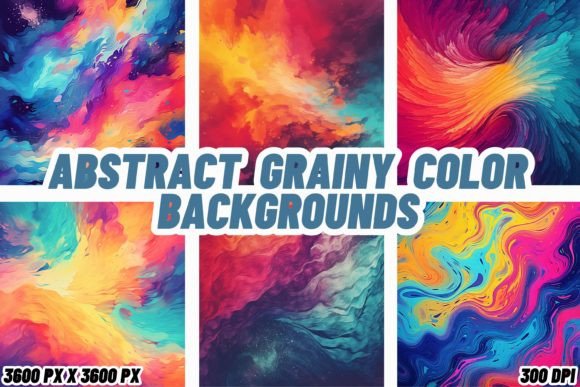
Abstract Grainy Color Backgrounds: A Designer's Guide
Understanding the Visual Character of Abstract Grainy Textures
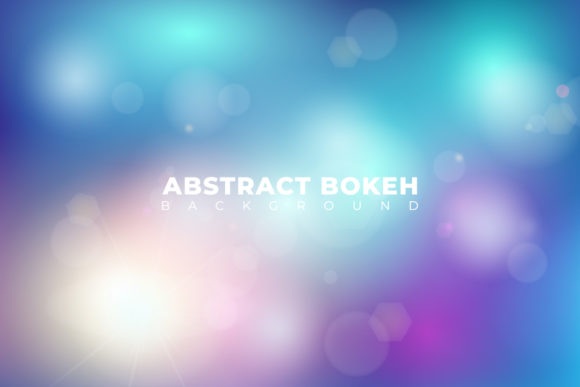
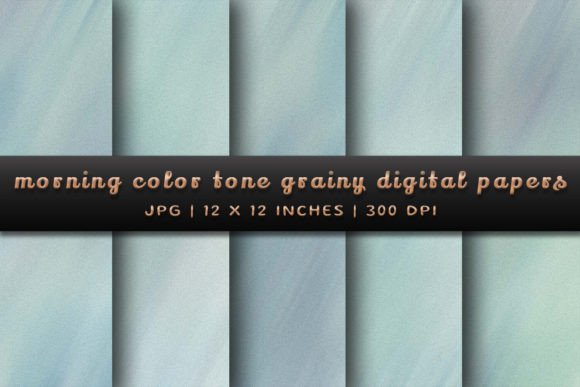
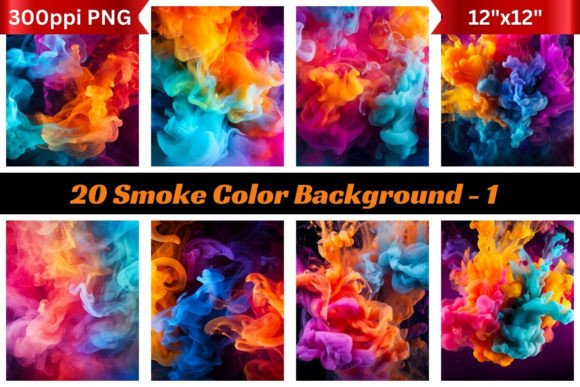
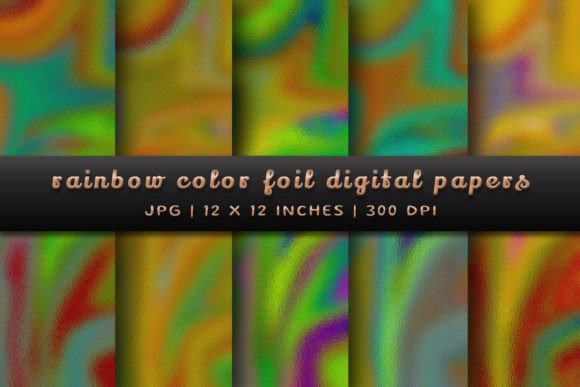
When you first encounter a collection of Abstract Grainy Color Backgrounds, you're meeting a specific design personality. It's not just a random splash of color; it's a deliberate fusion of two powerful elements: vibrant, often bold color palettes and a tactile, grainy texture. This combination creates a unique visual language. The grain adds depth, grit, and a sense of analog authenticity in our increasingly digital world. It softens the potential harshness of flat, digital colors, introducing a layer of complexity and artistic imperfection that feels human-made and intriguing. The overall appeal lies in this tension—it’s modern and energetic yet has a timeless, textured quality.
This style moves beyond simple gradients. The grain can range from fine, like photographic film grain, to coarser, almost like sand or concrete. This texture interacts with the color, breaking it up and allowing underlying hues to peek through, creating a dynamic, living surface. For designers and content creators, this means you're not just applying a background; you're setting a specific mood. It suggests creativity, energy, and a forward-thinking aesthetic. It’s a background that doesn’t want to blend in—it wants to contribute to the story, making it a powerful tool in your design assets library.
Practical Applications: Where Abstract Grainy Backgrounds Shine
The true test of any creative asset is its versatility. Abstract Grainy Color Backgrounds prove their worth across a surprisingly wide range of projects. For web design, they make exceptional hero sections, breaking the monotony of standard stock photos and immediately engaging visitors with texture and color. They work beautifully for landing pages, especially for creative agencies, tech startups, or lifestyle brands that want to project innovation and energy. In social media graphics, these backgrounds are attention-grabbers. They stop the scroll, providing a vibrant canvas for quotes, announcements, or promotional posts on platforms like Instagram and Pinterest where visual impact is paramount.
For brand identity and logo design, these textures can inform a brand's entire visual system. A brand might use a specific grainy color palette for its packaging, business cards, and website headers, creating a consistent and recognizable aesthetic. This is where the concept of a premium font for display purposes intersects—a bold, clean typeface set against a grainy background creates a stunning contrast that enhances both readability and visual hierarchy. In editorial design, such as magazine layouts or blog post features, these backgrounds can frame articles on design, art, or culture, adding a layer of sophistication. Even for personal projects like digital invitations, resume headers, or portfolio sites, they offer a way to stand out with professional-grade modern typography and texture.
Making Them Work: Integration and Pairing Strategies
Successfully integrating these backgrounds requires a thoughtful approach to font pairing and layout. The key is contrast and clarity. Because the background is active and textured, your typography needs to be exceptionally legible. A clean, geometric sans serif font often works perfectly, its crisp lines cutting through the visual noise. For a more classic or elegant feel, a sturdy serif font with good weight can also anchor the design, provided the background's color and grain don't overwhelm the finer details. Avoid overly delicate script fonts or handwritten fonts for body text, as they can become lost; however, a bold script can work for a short headline if placed over a less textured area of the background.
When evaluating a set of Abstract Grainy Color Backgrounds for a project, consider the specific color story. Does it align with your brand's palette or the project's emotional tone? A vibrant, multi-color grain suggests energy and fun, while a monochromatic or duotone grain might feel more sophisticated and focused. Always test the background at the size it will be used. A texture that looks great as a full-screen image might become distracting as a small button background. Look for collections that offer variety—different color combinations, grain densities, and compositions—to give you flexibility. Finally, check the licensing. For commercial projects, ensuring you have the right to use the asset in packaging design, merchandise, or client work is non-negotiable. This attention to detail is what separates hobbyist work from professional design assets implementation.