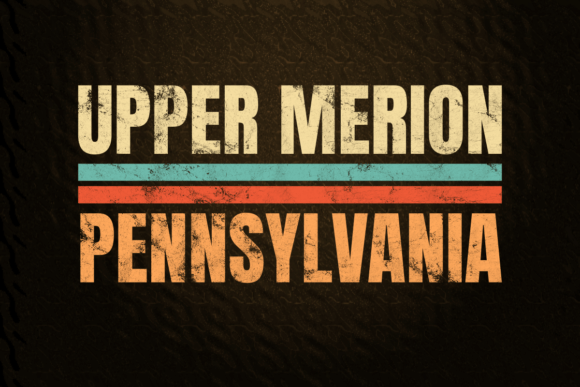
Celebrate Upper Merion Pennsylvania Retro Color and Design
The specific visual language of the early 1970s holds a unique power to evoke nostalgia, warmth, and a distinct sense of place. When applied to Upper Merion, Pennsylvania, this aesthetic—characterized by warm, earthy tones, bold geometric shapes, and a confident, slightly worn-in feel—transforms from a general retro style into something deeply specific and resonant. This is the essence of a perfect retro 70s vintage Pennsylvania design. It’s not just a color palette; it’s a mood, a memory, and a design strategy that connects with people on an emotional level, making it an incredibly versatile asset for a wide range of creative projects.
The Anatomy of a Retro 70s Pennsylvania Aesthetic
Understanding what makes this style work is key to using it effectively. The visual characteristics are unmistakable. Think of the rich, saturated colors found in vintage Pennsylvanian postcards or old family photos: burnt orange, mustard yellow, harvest gold, avocado green, and deep chocolate brown. These aren't flashy, modern neons; they are grounded, organic hues that feel connected to the landscape and the era. The typography often features bold, rounded serif fonts or chunky, friendly sans serifs that command attention without being aggressive. Paired with simple, iconic illustrations—perhaps a stylized keystone, rolling hills, or a nod to local landmarks like the King of Prussia Mall's original architecture—the design tells a story.
This aesthetic’s personality is approachable, authentic, and unpretentious. It carries the weight of history but presents it in a way that feels celebratory rather than stuffy. Its overall appeal lies in its ability to feel both familiar and fresh. For locals, it’s a badge of identity and hometown pride. For tourists, it’s a charming souvenir that feels more meaningful than a generic, mass-produced item. The style works because it taps into a shared cultural memory of the region, making any product or design that uses it instantly more relatable and engaging.
Practical Applications: Where This Design Style Shines
The utility of a well-executed retro 70s vintage Pennsylvania design extends far beyond a single product. Its strength is its adaptability across different media and purposes. For entrepreneurs and small business owners, this style can form the cornerstone of a unique brand identity. A coffee shop in King of Prussia or a boutique in Wayne could use this aesthetic for their logo, menu design, and interior signage to create an immersive, memorable customer experience. The design’s inherent warmth builds trust and a sense of community, which is invaluable for local businesses.
For crafters, hobbyists, and content creators, the applications are nearly limitless. The design’s clear lines and bold shapes make it ideal for high-quality digital printing and physical production. Consider these real-world uses:
- Apparel and Accessories: A vintage-style graphic on a t-shirt, hoodie, or baseball cap becomes a wearable piece of local art. The design translates perfectly to embroidery for polo shirts or hats, adding a premium, textured feel.
- Home Decor and Gifts: Palette signs with a retro Upper Merion motif make for charming vacation decor or year-round home accents. The design can be applied to tea towels, pillows, and coffee mugs for a cohesive kitchen or living room theme.
- Event and Party Supplies: Planning a local celebration? This style is perfect for creating cohesive party items like invitations, banners, cupcake toppers, and favor bags. It sets a distinct, fun tone right from the start.
- Stationery and Paper Goods: From postcards and address labels to journals and scrapbooking elements, the retro Pennsylvania design adds a layer of personality to everyday paper goods. It’s also excellent for vinyl decals on laptops, water bottles, or car windows.
The key is recognizing the design as a flexible design asset. A single, well-crafted vector illustration can be scaled and repurposed for a tiny sticker or a large wall hanging without losing quality, making it a smart investment for any creative professional’s toolkit.
Integrating the Aesthetic: A Guide for Designers and Creators
Successfully incorporating this style requires more than just slapping a vintage texture on a design. It’s about thoughtful application. If you are working with a digital asset package, like one containing SVG and PNG files, you have incredible flexibility. The SVG format is crucial for projects requiring clean lines at any size, such as laser cutting for wood signs, CNC plasma cutting for metal art, or detailed vinyl cutting for decals. The high-resolution PNG is perfect for direct digital printing on products or for use in web design and social media graphics.
When building a project, think about font pairing. The retro display graphics often pair well with a clean, modern sans serif font for body text to ensure readability. This contrast allows the vintage headline to pop while keeping the overall layout professional and easy to digest. For packaging design, consider how the colors interact with the product itself. The earthy tones of the 70s palette work beautifully with natural materials like kraft paper, wood, and ceramic.
For those creating editorial design materials like local history booklets or tourism guides, this aesthetic can be used to frame historical photos or create engaging chapter headers. In logo design, the retro elements can be simplified into a timeless mark that communicates heritage and locality. The goal is to use the style to enhance your message, not overwhelm it. Test your designs in black and white to ensure the composition is strong, and always consider the final medium—a design for a screen-printed t-shirt has different technical requirements than one for a digital wedding invitation.
Ultimately, the power of a retro 70s vintage Pennsylvania design lies in its storytelling capability. It’s a creative font and graphic style that does more than decorate; it communicates a feeling of place, history, and authenticity. Whether you’re a designer building a brand identity, a crafter making personalized gifts, or a marketer promoting a local event, tapping into this aesthetic provides a ready-made visual language that resonates deeply with audiences, creating work that is not only beautiful but also meaningful.